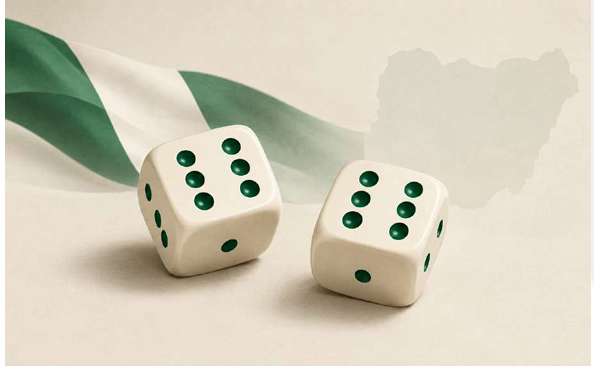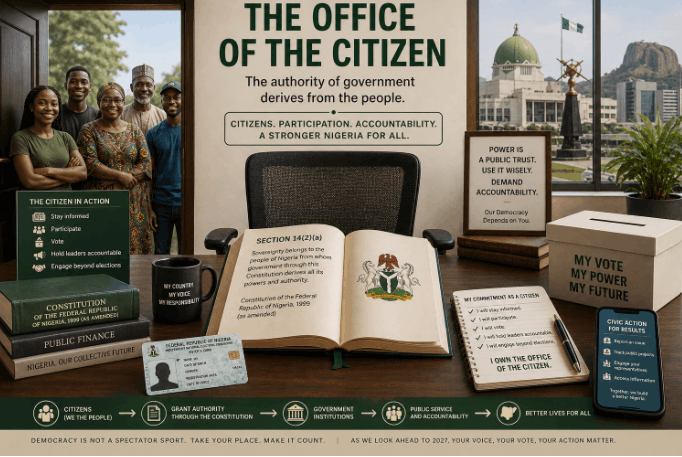
Africa stands at a demographic and democratic crossroads. By 2050, one in every four people on earth will be African, giving the continent the world’s youngest population and one of its largest political constituencies. Yet, at this very moment of rising influence, the institutions meant to represent African societies remain strikingly unrepresentative of half their citizens. Women hold approximately 27% of parliamentary seats globally and across sub-Saharan Africa, a figure still far short of the parity envisioned by the Beijing Platform for Action three decades ago. Nigeria, Africa’s largest democracy and economy, ranks 143rd out of 144 countries on political empowerment in the World Economic Forum’s 2025 Global Gender Gap Report, with women occupying under 5% of seats in the National Assembly following the 2023 elections.